About Mentors

Throughout my career, I have been fortunate to have several mentors who guided me through the complexities of the entertainment business. As the year comes to a close, it’s a good opportunity to reflect and express gratitude to those whose advice and guidance have been invaluable. In turn, I believe it’s our responsibility to pass on that wisdom to others.
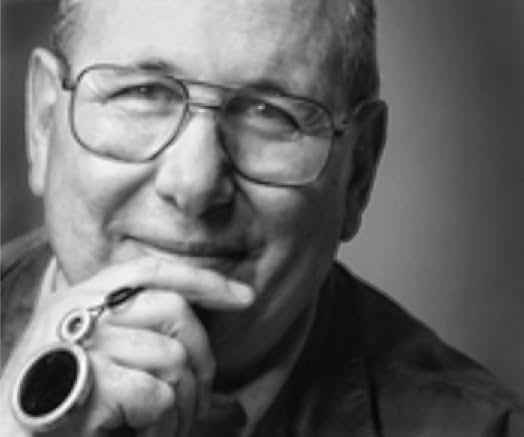
In 1980, while working as part of a studio lighting crew, I was assigned to a project led by a lighting consultant named George Spiro Dibie. In an era less attuned to political correctness, George, juggling multiple shows and crews, would call everyone “Sexy” because he couldn’t remember names. His signature greeting, “Hey Sexy,” was usually followed by detailed instructions.
The show was “Ladies Man,” a CBS sitcom. Our schedule typically involved nighttime calls to hang and focus lights on the new “swing set” for each episode, followed by a camera-blocking day and then the shoot day. I began the series as a crew member and finished as the Lighting Director, thanks to George’s guidance and words of wisdom.
This sitcom was shot in front of a live audience, utilizing a vastly different technical environment from what we have today. Back then, keeping production costs manageable required the line cut to closely resemble the final output. However, that’s a discussion for another time about the differences in production techniques then and now. For those familiar with life on set, you know how each department can experience hours of downtime during the day. That was certainly the case here.
During those downtime moments, I had the privilege of talking with George, learning about his experiences and his philosophy on lighting sitcoms. I shared with him my aspirations to become a lighting director, and he offered advice that would shape my journey as my career evolved—from lighting to producing to network management.
George told me: “If you want to know how to light for TV, you need to understand what everyone else is doing and why they’re doing it. Every element of production affects your work as a lighting director. Don’t waste your downtime; use it as an opportunity to learn about the entire process.”
He emphasized that understanding the broader workflow would not only make me a better lighting director but also more valuable to producers.
George demonstrated this principle in action. For one particular scene, he chose to use a very low light level to complement the mood. However, the video operator kept adjusting the levels, brightening the picture. George, understanding the capabilities of the equipment, worked alongside the operator to achieve the desired result. But he didn’t stop there. Knowing the broadcast delivery process was equally important, George went to CBS Network Operations on the night of the show’s airing. He sat in Master Control to ensure the broadcast operator didn’t alter the levels, preserving the intended mood and feel of the show.
Inspired by George’s advice, I used my time in the studios to learn every job on set and in the control room. I shadowed producers and network executives, observing their work, asking questions when appropriate, and gaining insight into the entire process—from show concept to final distribution. This approach not only made me a better lighting director but also a better executive as I advanced in my career. It allowed me to understand not just what needed to be done, but why it needed to be done.
Thanks to George’s advice from forty-four years ago, I’ve been able to adapt to evolving work environments, technologies, and workflows. His guidance ultimately enabled me to write my book, From Stream to Screen.